Safekinga works with communities and partners to strengthen preparedness for climate risks. By transforming climate data into accessible alerts, we help communities anticipate floods, droughts, and disease outbreaks before they become disasters.
Bridging the Gap Between Climate Data and Community Action
Safekinga is a climate resilience and early warning platform working to ensure that the most vulnerable communities are the first to receive timely, actionable information.
Across many regions in Africa, communities experience severe losses from floods, droughts, and disease outbreaks because warnings arrive too late or never reach them at all. Safekinga transforms environmental data into practical alerts delivered through mobile technologies, helping communities make informed decisions that protect lives and livelihoods.
Community-Led Approach
We design systems with communities, not for them, ensuring local ownership and cultural relevance.
Data-Driven Decisions
Our alerts are grounded in real time climate science, satellite data, and hydrological monitoring.
Multi-Stakeholder Partnerships
We collaborate with governments, NGOs, research institutions, and mobile operators to maximize reach.
What We Do
Our Core Work Programs
Three interconnected programs that together form a complete climate resilience ecosystem for vulnerable communities.
Monitoring
Climate Risk Monitoring
We analyze climate and environmental data to identify emerging risks such as droughts, floods, and disease outbreaks — building a continuous picture of hazard conditions across vulnerable regions.
We deliver timely alerts through SMS, voice messaging, and mobile platforms — reaching communities in local languages so warnings are understood and acted upon before disaster strikes.
We work with local organizations and governments to build preparedness frameworks, improve disaster response planning, and strengthen community capacity to recover from climate shocks.
Every alert delivered represents a family with more time to prepare, a herd moved to safer ground, or a harvest saved before the rains fail.
100K+
People Reached with Early Warnings
5+
Communities Actively Supported
12k+
Alerts Successfully Delivered
3
Counties Served Across East Africa
Alert Effectiveness by Hazard Type
Flood Early Warning92%
Drought Preparedness Alerts87%
Disease Outbreak Notifications79%
Locust Infestation Alerts95%
Our Platform
Technology That Saves Lives
Safekinga combines climate science, data analytics, and mobile communication tools to monitor environmental risks and communicate them effectively — even to the most remote communities.
Our data sources include weather monitoring stations, satellite observations, hydrological data, and public health information — all fused into a real-time risk engine that powers our alert system.
Satellite Monitoring
Real-time satellite imagery and remote sensing data track vegetation, rainfall, and flood extent.
SMS & Voice Alerts
Multi-language alerts delivered via SMS and IVR to reach communities regardless of literacy level.
Predictive Analytics
Machine learning models forecast hazard likelihood up to 14 days in advance for proactive response.
Decision Dashboards
Government and NGO partners access live dashboards to coordinate response and resource allocation.
Floods Across Kenya Highlight the Growing Climate Crisis
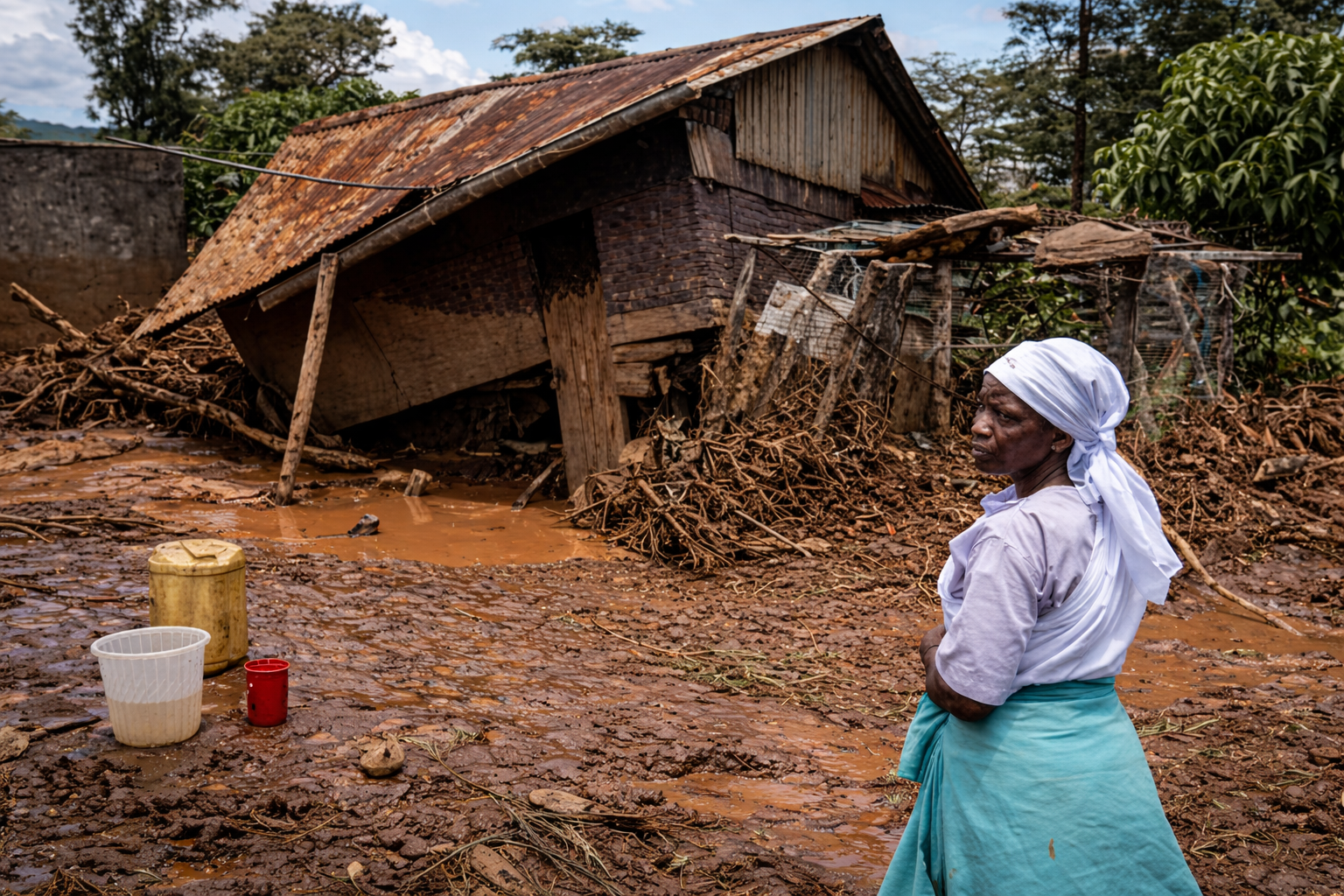
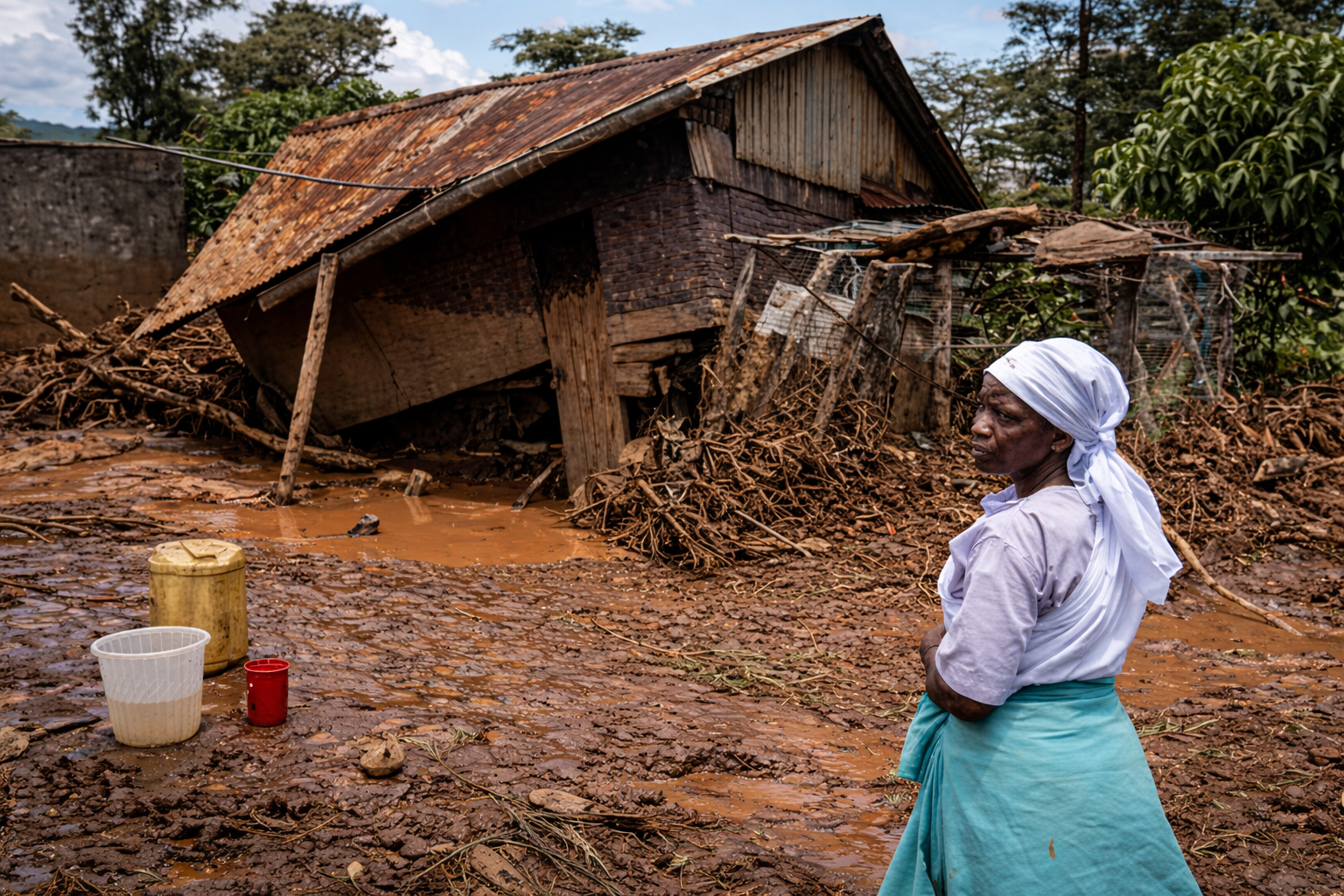
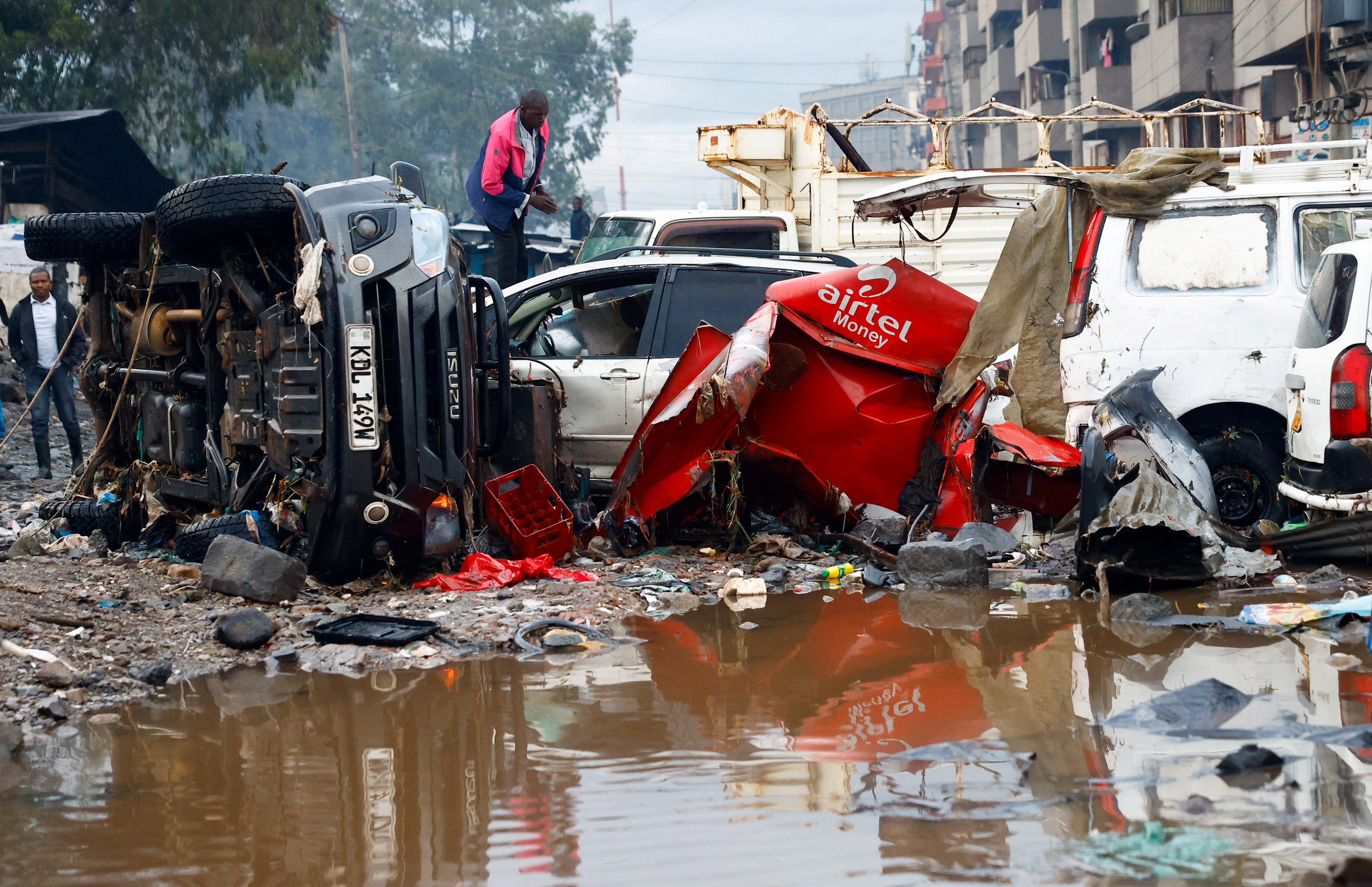
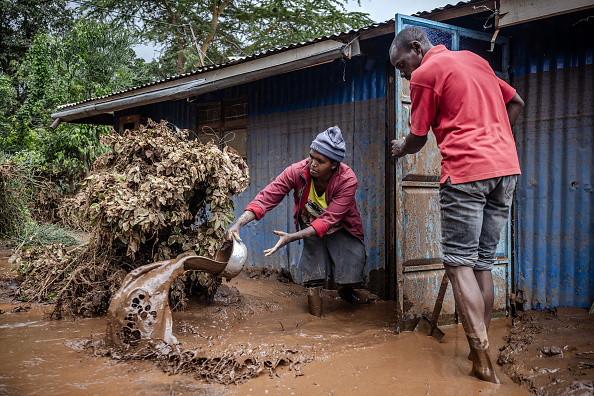
Kenya is once again experiencing the devastating consequences of extreme weather events, with widespread flooding reported across several parts of the country. Intense rainfall in early March triggered flash floods in major urban areas, particularly Nairobi, where roads, homes, and businesses were submerged. Reports indicate that dozens of lives were lost while vehicles, infrastructure, and properties were severely damaged.
Farmer Stories
5 min read
Climate Change is Reshaping Kenya’s Weather Patterns
Kenya’s recent floods are part of a broader pattern of increasingly
unpredictable weather events affecting East Africa. The country has
experienced cycles of severe drought followed by intense rainfall,
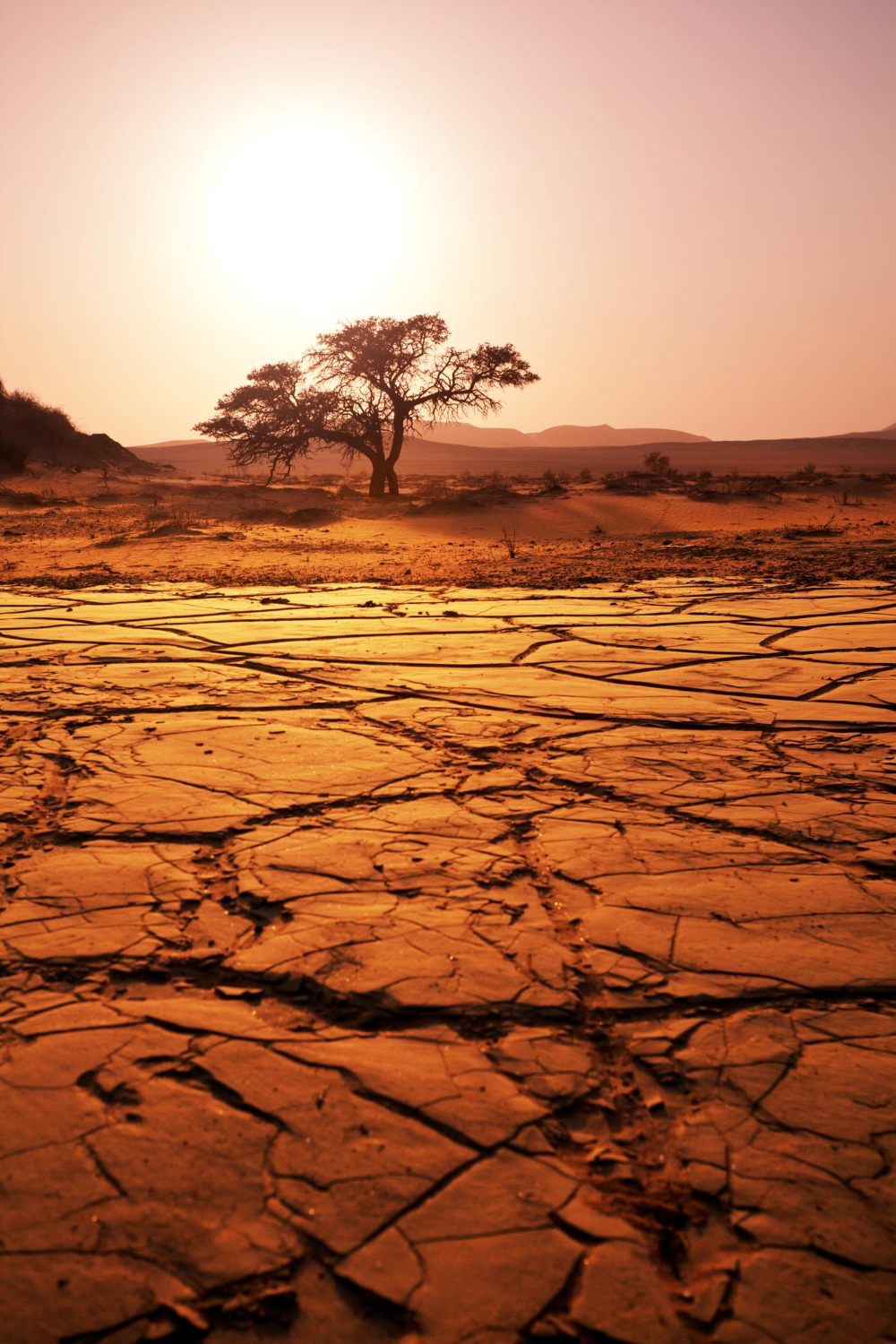
placing enormous pressure on communities, agriculture, and national infrastructure.
Technology
6 min read
Why Climate Insurance is Becoming Essential for Kenyan Farmers
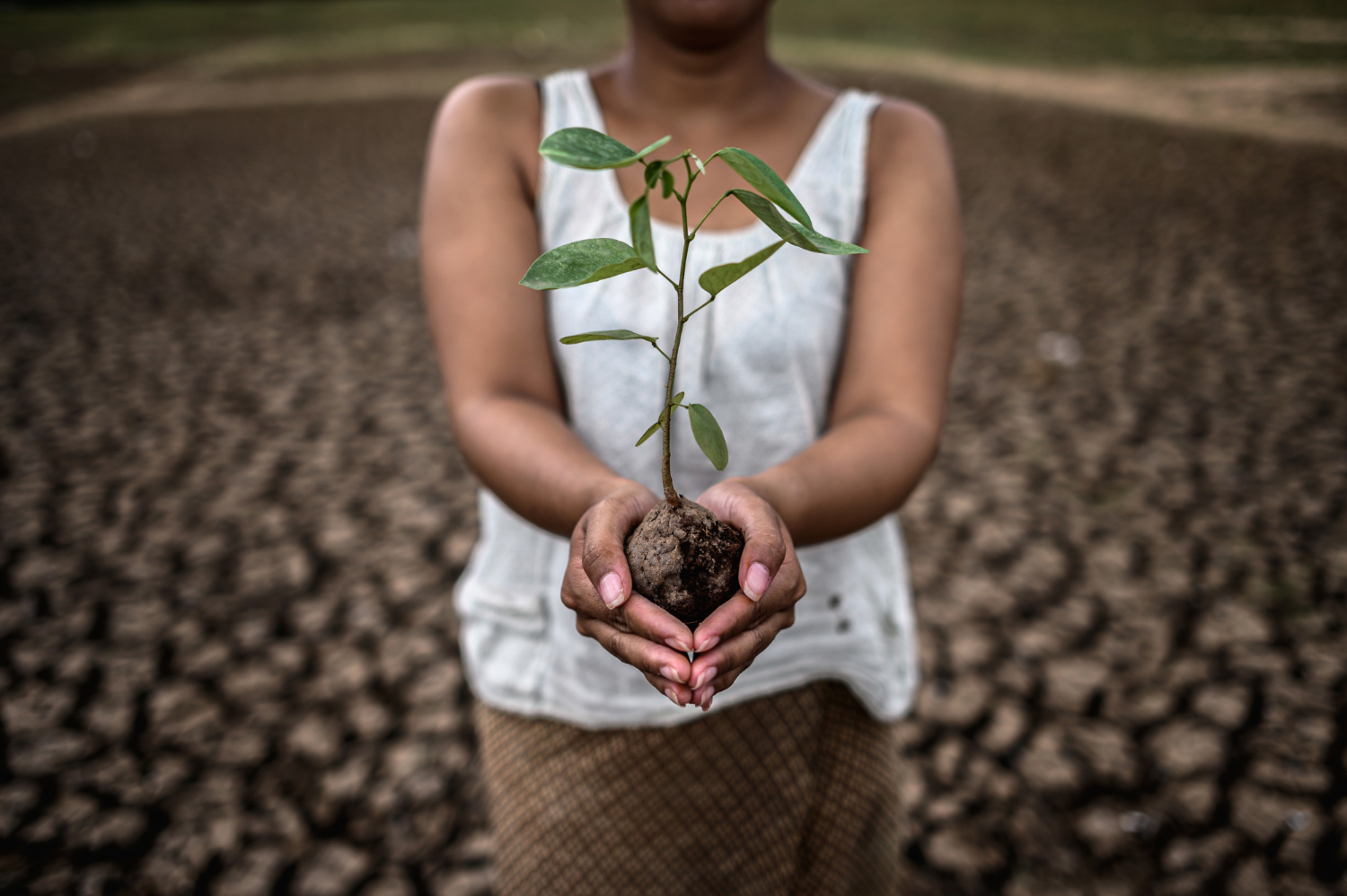
Agriculture remains the backbone of many African economies, employing millions of people and providing food security for entire regions. However, farmers across the continent are increasingly facing unpredictable weather patterns caused by climate change. Droughts, floods, and extreme rainfall events are becoming more frequent, putting crops, livestock, and livelihoods at risk.
Our Partners
Trusted by Leading Organizations
We work with governments, research institutions, and international NGOs to amplify our reach and impact.
Dukago Kenya
Kadly Kenya
Kenya Met Dept
Techvio Technologies
Kenya Met Dept
Our People
The Team Behind the Mission
Scientists, technologists, community specialists, and communicators united by a shared commitment to saving lives through better information.
Collins Nyagaka
Founder & CEO
Donna Mogere
Head of Operations
Rose Kemunto
Admin & Head of Community Programs
Denis Ombati
Head of Technology
Ready to Build Climate Resilience Together?
Join the growing network of governments, NGOs, and development partners working with Safekinga to protect communities from climate disasters before they happen.
Everything you need to know about Safekinga's climate resilience and early warning work.
What is Safekinga and what do you do?
Safekinga is a climate resilience and early warning platform operating across East Africa. We transform environmental and climate data into practical alerts delivered via SMS and voice messaging, helping vulnerable communities anticipate floods, droughts, disease outbreaks, and locust infestations before they become disasters. We have reached over 500,000 people across 14 counties.
How does the early warning system work?
Our platform fuses satellite imagery, weather station data, hydrological sensors, and public health data into a real-time risk engine. Machine learning models forecast hazards up to 14 days ahead. When risk thresholds are crossed, automated SMS and voice alerts are dispatched in local languages to registered community members in the affected area.
Which counties and regions does Safekinga serve?
Safekinga currently serves 14 counties across East Africa, focusing on Kenya's ASAL (Arid and Semi-Arid Lands) counties including Turkana, Marsabit, Wajir, and Garissa, as well as flood-prone regions like Budalangi in Western Kenya and communities along the Tana River Basin. We are actively expanding to Ethiopia, Somalia, and Uganda.
How can our organization partner with Safekinga?
We welcome partnerships with governments, UN agencies, international NGOs, research institutions, mobile network operators, and impact investors. You can reach our partnerships team at partnerships@safekinga.com or use the contact form below. We offer technology integration, co-implementation of community programs, data sharing agreements, and co-funding arrangements.
What types of climate hazards does Safekinga monitor?
Safekinga monitors four primary hazard types: floods (92% alert effectiveness), droughts (87%), disease outbreaks linked to climate events such as cholera and Rift Valley Fever (79%), and locust infestations (95%). Our predictive models provide 14-day forecasts using satellite remote sensing, ground-based sensors, and historical climate data.
Is Safekinga a registered organization?
Yes, Safekinga is a registered in Kenya, headquartered in Nairobi. We have been operational in compliance with Kenyan regulations and international development standards.
Get in Touch
Let's Work Together
Whether you're a government agency, international NGO, donor, or community organization — we'd love to explore how we can collaborate.


.png?w=400&q=80)